The Woods
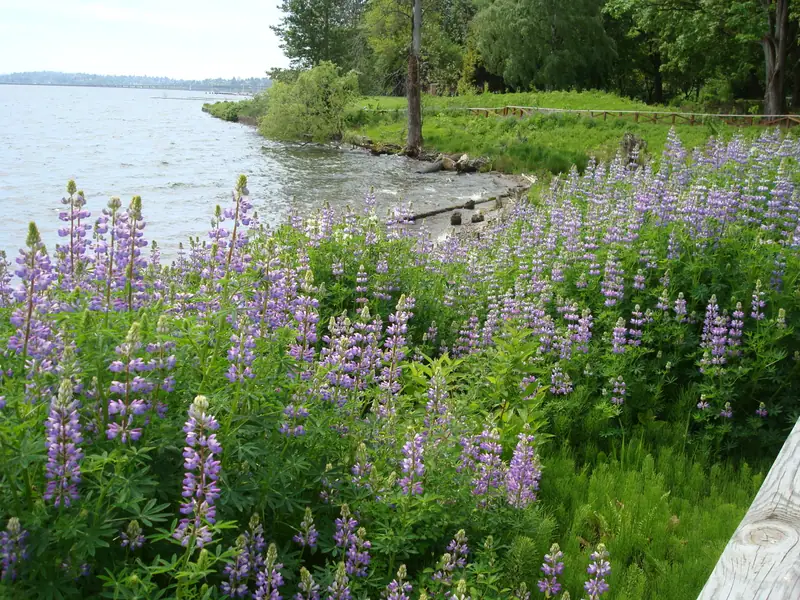
A 9.2-acre forested hillside, a spring-fed creek and a wetland cove on Lake Washington, ten minutes from downtown Seattle. Open every day, free to everyone.
Visit
Where to find us
Madrona Woods covers the hillside in Madrona Park, between 38th Avenue (west) and Lake Washington Boulevard (east), and from Spring Street (north) to Columbia Street (south). We also care for the Madrona Park Ravine west of 38th and the natural area and cove at the lakeshore, about 11 acres in all.
Open in Google MapsEntrances
- 38th Ave & Marion StMain entrance · kiosk
- Grand Ave & Spring StMain entrance · kiosk · creek bridge
- Lake Washington BlvdAcross from the dance studio (800 Lk Wa Blvd)
- 38th Ave & Columbia StSecondary
- 38th Ave, northwest cornerSecondary
- Spring St & Newport WaySecondary · creek trail
- Dead end of 39th AveSouth side
Follow Madrona Park Creek to the lake
The creek was buried in storm drains for decades until it was daylighted in 2009. Now it runs about a quarter mile from springs on the hillside down to Lake Washington. Listen for it at every stop.
The overlook on 38th. At the curve where 38th Avenue passes through the woods, look uphill to see the stream come out of the hillside.
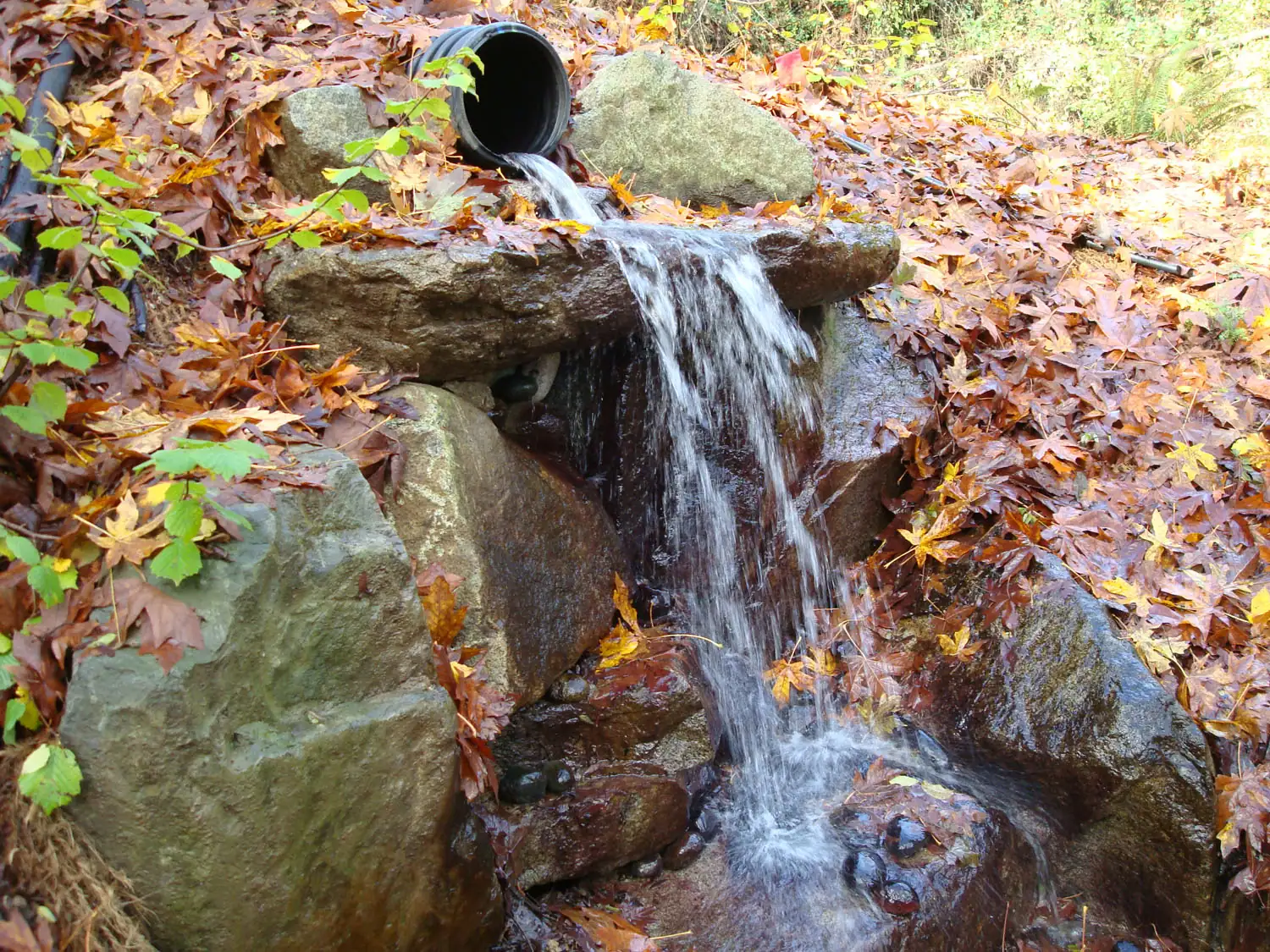
The rock cascade. Walk down 38th to where the creek comes out of a pipe and tumbles over a rock feature and log steps. A small bridge here leads up Jack's Trail.
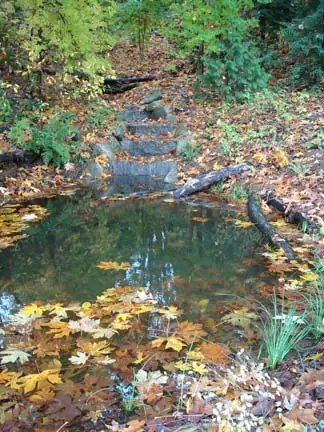
The Spring & Grand bridge. At the bottom of the hill, stand on the bridge at the main entrance and watch the creek flow down to the pond.
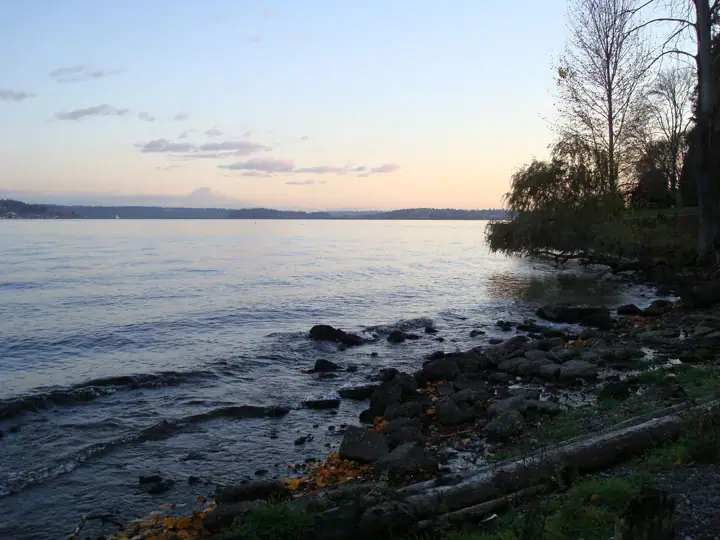
The cove. Cross Lake Washington Boulevard into the natural area. Follow the trail to see the stream reach the lake at the wetland cove, then check out the pond just south of the entrance.
Plants & wildlife
A forest in transition
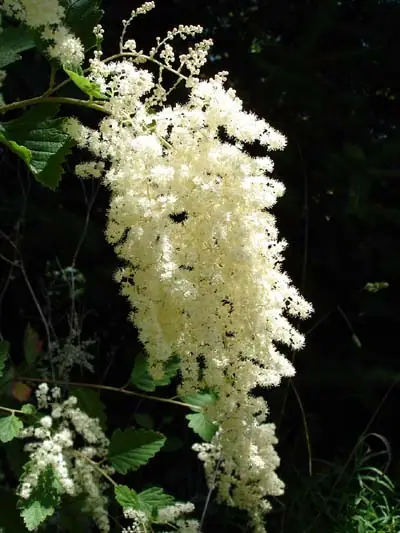
Like most of Seattle, the hillside was clear-cut more than a century ago. Today most of the canopy is big-leaf maples near the end of their lives. Restoration is helping long-lived conifers like Douglas-fir, western red cedar and western hemlock take over again, the way they would in a natural Northwest forest.
Trees
Big-leaf maple, Douglas-fir, western red cedar, western hemlock, Pacific madrona, red alder, black cottonwood, Oregon ash, Pacific dogwood, beaked hazelnut, red elderberry.
Shrubs
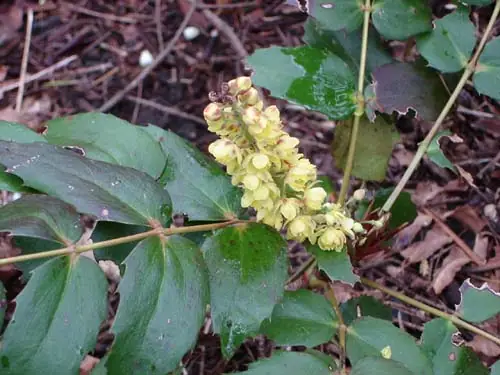
Salal, Oregon grape, snowberry, oceanspray, mock orange, Indian plum (osoberry), red-flowering currant, red and evergreen huckleberry, Oregon viburnum, thimbleberry, salmonberry, nootka rose.
Ferns & wildflowers
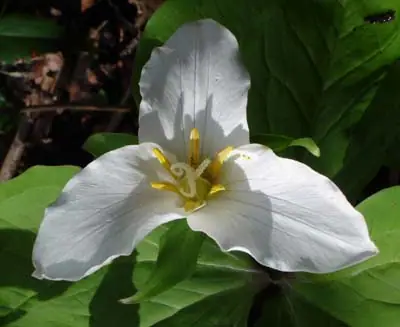
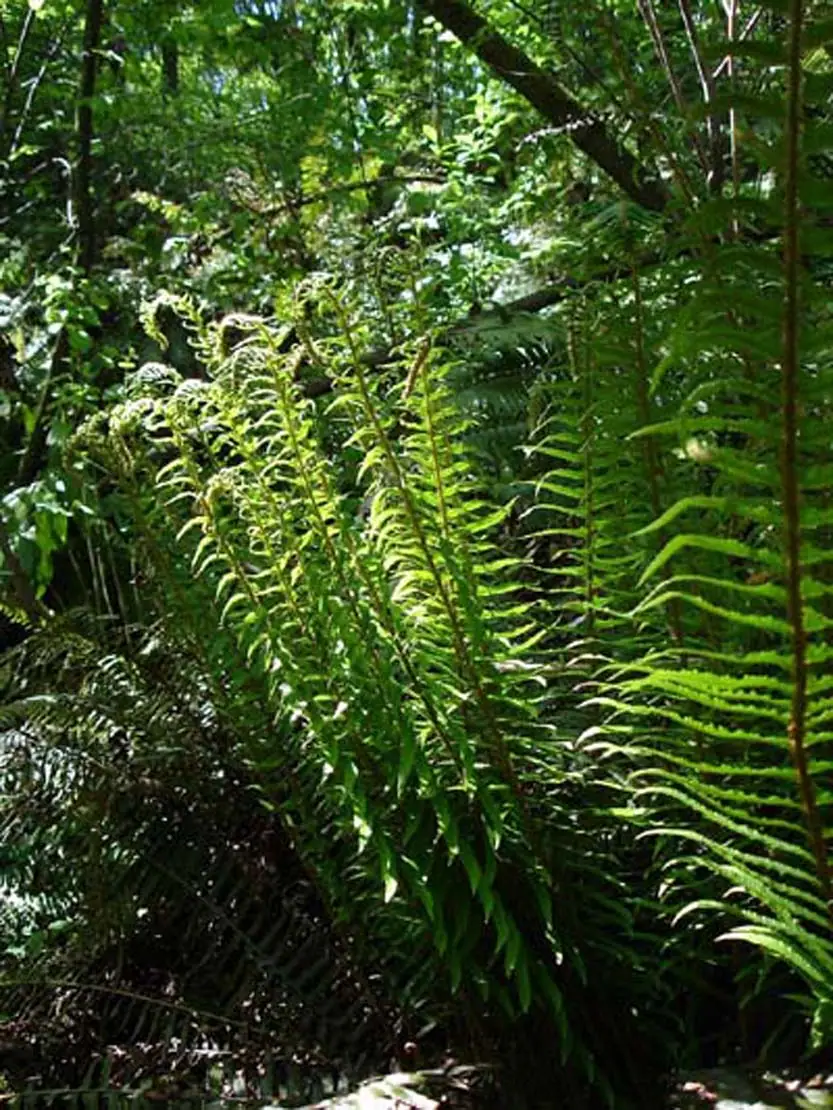
Sword, lady, bracken, licorice and maidenhair ferns; trillium, bleeding heart, columbine, wild ginger, vanilla leaf, wood sorrel, fringecup, piggy-back plant, skunk cabbage, horsetail.
Birds
Bald eagles, Cooper's hawks, pileated, downy and hairy woodpeckers, flickers, Anna's hummingbirds, chickadees, bushtits, winter and Bewick's wrens, spotted towhees, Steller's jays, varied thrushes, kinglets and several warblers.
Animals
Raccoons, opossums, squirrels, moles, voles and bats, plus the occasional coyote and salamander. Young salmon use the cove on their way to Puget Sound.
See the native plants photo album for help with identification.
Trails
Stay on the trail
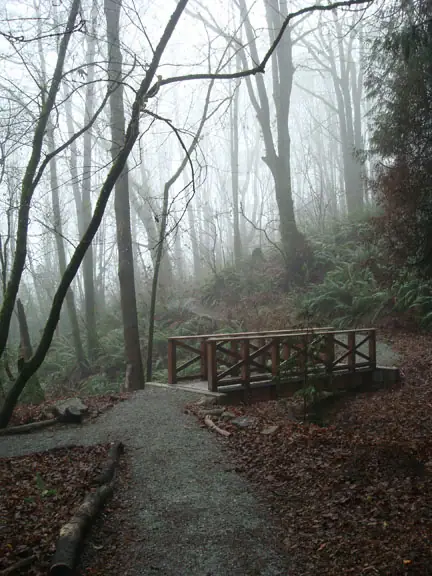
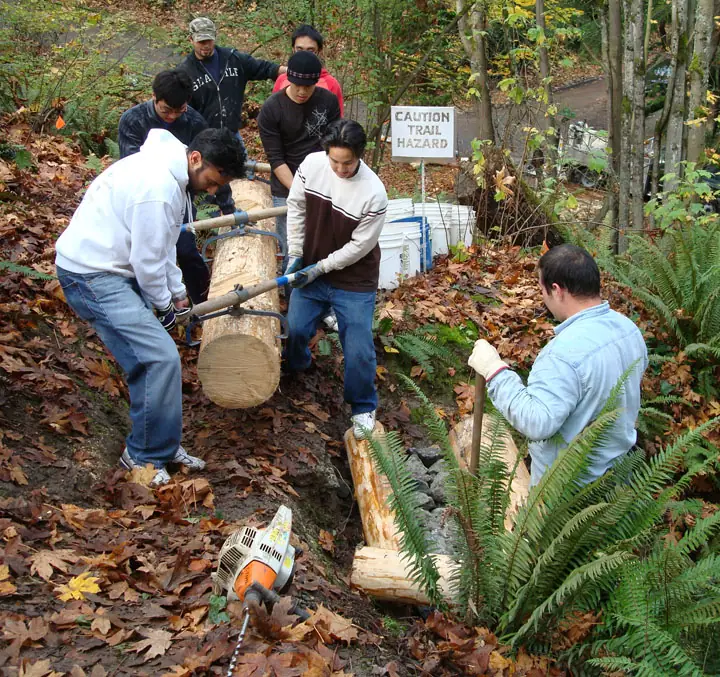
The trail system was rebuilt starting in 2000 to protect the slopes and the creek, including the 86-step main trail down to Lake Washington Boulevard. Trails are steep in places and can be muddy in winter.
Trail map (PDF)